What is slow travel? How to travel more slowly and experience more

I travelled through Southeast Asia for years and lived in Thailand for a while. So when I wrote an article about slow travel for Waterwolf Sailing, it was about a subject I didn't just know from books.
You can read the original in the Waterwolf Sailing logbook: De filosofie achter Slow Travel. It's one of the first articles I ever wrote; this is a rewritten version. So what is slow travel, and how do you do it?
The short answer: slow travel is travelling with attention instead of in a hurry. You choose a smaller area, prefer the train or back roads to the plane, and take time for the local culture, nature and food. It's less about how you get somewhere and more about how you are there.
Slow isn't a speed, it's a mindset
The term suggests it's mainly about slowing down, and that's partly true. We no longer have to race to Nice or the Playa.
More and more people want to enjoy the journey itself and give it more meaning: more consciously, more sustainably and away from the big tourist magnets, so there's room for the place itself.
Where does slow travel come from?
Slow travel is an offshoot of the Slow Food movement. That started in Italy in the 1980s, as a protest against the opening of the first McDonald's in Rome.
Slow Food aims to preserve regional cuisine, local farming, shared meals and traditional ways of cooking. That cultural initiative grew into a way of life, the Slow Movement, which is all about connection: with food, with each other and, when travelling, with the people and culture of the place you're in.
What does slow travel mean for how you travel?
Budget airlines sprang up like mushrooms. En masse we rush to tropical destinations and trendy cities, only to race from one sight to the next once we're there. Many people come back from holiday exhausted, only to dash straight on into an equally busy life.
Slow travel turns that around. Instead of seeing as much as possible in as little time as possible, you get to know one small area well rather than a large area by halves.
How do you get started with slow travel?
Start with how you travel. Take the train instead of the plane: it's better for the environment, and you see the landscape roll past instead of clouds.
If you go by car, choose the back roads. That way you get a feel for the region you're driving through, instead of just the exit numbers.
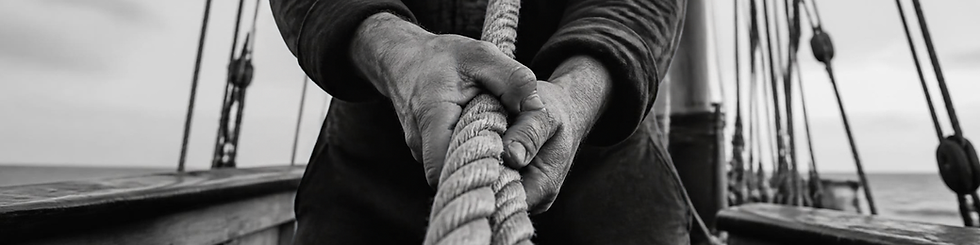
If you really want to be outdoors, you can also take to the water, for example on the Wadden Sea or the IJsselmeer. A holiday on the water literally gives you a different view of the world, and you travel on wind and water. On a historic sailing ship such as the Waterwolf, a clipper from 1899, you're also right in the middle of the story of the place.
Can you do slow travel in the Netherlands too?
Yes, you don't even have to cross the border for it. Indulging in Burgundian enjoyment in the south, birdwatching on the Marker Wadden, glamping on the Veluwe or finally discovering the Wadden Islands.
However short or long your trip, the Netherlands has plenty of special places where you can enjoy yourself in your own way.
What are the benefits of slow travel?
You pay more attention to your surroundings, instead of ticking off all the highlights in your guidebook at a murderous pace.
You don't just learn something about the places you go to, you also experience the local traditions, the food and the nature. Closer to home also means less travel time and more holiday.
How do slow food and slow travel go together?
They come from the same place, so they go well together. Visit local markets, buy regional produce and eat in small restaurants, away from the crowds.
Slow food on the road means finding a regular coffee spot during your stay, getting your bread rolls from the bakery round the corner, foraging for mussels yourself or eating oysters fresh from the sea. Cook together with regional produce again, eat mindfully and take time for flavours you don't know.
Slow travel isn't a quality mark
You don't have to take the train to travel slowly, and taking the train doesn't automatically mean you travel with attention. It's not about the rules, but about choosing to want to see less and experience more.
A new way of seeing
As the writer Henry Miller said: your destination is never a place, but a new way of seeing things. That applies to a trip through Thailand just as much as to a long weekend on the Veluwe.
You'll find more articles I wrote for clients under Client work.
Frequently asked questions
What is slow travel?
Slow travel is travelling with attention instead of in a hurry. You explore a smaller area, prefer the train or back roads to the plane, and take time for the local culture, nature and food.
Where does slow travel come from?
Slow travel grew out of the Slow Food movement, which started in Italy in the 1980s as a protest against the opening of the first McDonald's in Rome.
Can you do slow travel in the Netherlands too?
Yes. Think of the Wadden Islands, birdwatching on the Marker Wadden, glamping on the Veluwe or a trip over the water on the IJsselmeer or the Wadden Sea.
Comments